Most individuals picture first aid as a bandage and a take on smile. In method, the skills you construct in a first aid course go much deeper. You find out to read a scene promptly, choose under stress and anxiety, and execute basic, efficient activities that acquire time up until professional aid shows up. I have actually enjoyed timid participants become tranquil planners by the end of a single day, not due to the fact that they remembered every condition in a textbook, but because they exercised a clear framework and a handful of lifesaving techniques till they felt natural.
The value turns up in common places. A colleague choking throughout a work lunch. A kid pulling a warm cup off a table. A bicyclist taking a tough fall on wet sidewalk. First aid training turns those moments from panic right into purposeful steps. Right here is what a solid first aid and CPR course builds, why it matters, and just how to decide which first aid courses fit your needs.
How an excellent course in fact changes behavior
The initial shift most students notice is not clinical whatsoever. It is way of thinking. First aid training begins with scene safety, individual protection, and a structure for decision making that holds up when your heart is racing. You will practice a primary survey that becomes acquired behavior: look for danger, check responsiveness, telephone call for assistance, and manage life dangers in order. Trainers enhance that you do not need a medical level to conserve a life. You need a strategy you can keep in mind and the judgment to follow it.
Time and again I have seen hesitant individuals freeze during the very first circumstance, then take charge later in the day when they understand that little, right activities accumulate. Clearing a tongue from the airway. Rolling a person into recovery setting instead of propping them up. Asking a spectator to call emergency situation services while you begin breast compressions. The training changes uncertainty with a few core steps and the self-confidence to use them.
Reading the scene and prioritizing
Long before plasters, you discover to scan. A reliable first aid course instructs you to shield on your own with handwear covers, an obstacle for rescue breaths if your training course includes them, and fundamental health to minimize infection threat. Then, you will resolve a main evaluation that triages what matters most.
- Check reaction and breathing, right airway issues, and manage extreme blood loss quick. Every little thing else can wait 2 or three minutes. Call or hand over the emergency call early. The distinction between calling at minute absolutely no versus minute 3 is not abstract, it influences survival and treatment choices. Use basic positioning to aid physiology. Apartment on the flooring for thought shock, healing placement for a breathing yet unconscious person, mild immobilization for believed spine injury.
This triage lens is the single most important skill to accomplish of your first aid course. It transforms an untidy case right into a series you can manage.
CPR that works in the actual world
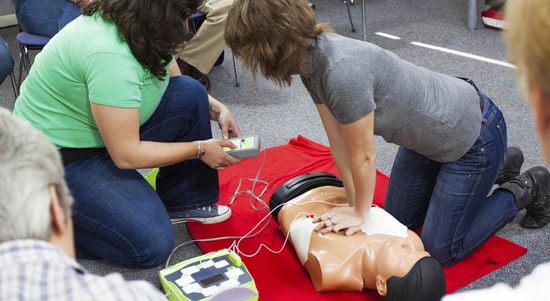
CPR is not mystical. It is a hands-on pump you compete the heart and lungs up until a defibrillator or paramedics can restore a regular rhythm. A trustworthy CPR course focuses on deepness, price, recoil, and very little interruptions. You will certainly exercise on manikins until your hands locate the ideal place without assuming. Anticipate feedback on pace, normally 100 to 120 compressions per minute, and deepness, regarding one third of the upper body for children and approximately 5 to 6 centimeters for grownups. If your class includes breaths, you will certainly learn exactly how to produce a seal and expect chest surge without overinflating.
You will certainly additionally educate with an AED, the automated exterior defibrillator found in airports, shopping malls, health clubs, and numerous offices. The gadget talks you via pad placement and rhythm analysis. The most significant hurdle is not the technology, it is the reluctance to grab the AED and use it. A few monitored runs in cpr training get rid of that obstacle. Individuals leave understanding that the device will certainly not stun unless it detects a shockable rhythm, so they can not harm someone by following its prompts.
If you have a first aid certificate and it has been a while since you exercised, a cpr correspondence course can be invaluable. Hands loosen up, compressions superficial, and delays creep back in without periodic mentoring. Numerous experts intend a refresher every one year, also if guidelines permit a longer interval.
Choking: from cough to crisis
Choking is just one of those events where seconds matter and the steps are straightforward. First aid and cpr courses pierce this till it is response. Compare a partial obstruction, where the individual can cough or speak, and a complete one, where they can not make a sound and might clutch the throat.

If they can cough strongly, urge them to keep coughing and monitor. Do not put their back mid cough. If they can not cough, you move rapidly to back impacts and abdominal thrusts for grownups and youngsters, with changed techniques for infants and expectant people. The physical auto mechanics matter. You intend back strikes between the shoulder blades and supply abdominal thrusts internal and up from simply over the navel. A few repeatings in class shed in the right-hand man placement and body stance so you can deliver pressure without throwing on your own off balance.
After a successful clearance, the first aid recommendations is to look for clinical evaluation, especially if there were repeated drives or the individual still really feels something lodged. Wounding the interior tissues is possible, and delayed swelling can trigger renewed breathing difficulty. A well run course will certainly share these side cases so you do not stop support also soon.
Severe blood loss and shock control
Modern first aid training teaches direct stress as the first line for major bleeding. You will find out to push hard and constant, to pack gauze into Click to find out more deep wounds if trained to do so, and to keep pressure without continuously lifting the dressing to check. The lesson is counterproductive for some students who want to peek. You will exercise quickly layering dressings and protecting them so both hands are free.
Tourniquets show up in even more first aid courses today, specifically where industrial or farming injuries are possible. When an arm or leg injury hemorrhages greatly and straight pressure falls short or is not viable, an industrial tourniquet applied high and tight can be lifesaving. The skill is straightforward yet benefits from monitored technique. The mistake I see most is half procedures, a tourniquet used loosely out of worry that it will hurt. It will certainly hurt. That discomfort informs you it is compressing the artery enough to matter. Excellent guideline covers secure application times and the value of keeping in mind when you applied it so -responders can take care of reperfusion later.
Alongside bleeding control, you will certainly attend to shock. Shock is a blood circulation problem, not simply a sensation. The body can stagnate enough oxygen to the cells. Indications include pale, awesome, or clammy skin, rapid pulse, and confusion. First aid reactions focus on controlling the cause, maintaining the person cozy, lying them flat if endured, and calling for assistance early. You will learn not to offer food or beverage when significant injury or surgical procedure might get on the horizon.
Airway management and secure positioning
Many emergency situations sit on the border between breathing and not breathing. Individuals collapse after seizures, head injuries, alcohol intoxication, or diabetic episodes, and their tongue or vomit can obstruct the airway. A first aid course reveals you exactly how to open up and keep an air passage with a head tilt and chin lift, or with a jaw drive if you think a spinal injury. You will exercise the healing setting that keeps the air passage open and permits liquids to drain pipes safely. Rolling a person efficiently without twisting the neck is an ability, and it becomes simpler after a couple of assisted repetitions.
When breathing is present but labored, simple positioning aids. Propping a person with bronchial asthma in a comfortable seated position, loosening up limiting apparel, and assisting with their recommended inhaler can work out an assault. On the other hand, a person fainting from a brief drop in high blood pressure benefits from existing flat with legs raised slightly. These fundamental maneuvers, educated in first aid training, usually deal with the crisis without any medication.
Strokes, cardiac arrest, and time-sensitive calls
Stroke acknowledgment is a traditional instance of why understanding matters as long as hands-on ability. Teachers cover common indications like facial droop, arm weakness, and slurred speech. The activity is uncomplicated, call emergency services quickly and note the moment symptoms began, since therapy choices often rely on that timeline. In lots of neighborhoods, prehospital groups alert stroke facilities while en route, so your early telephone call has actual downstream consequences.
For breast discomfort and thought cardiovascular disease, you will discover to keep the individual calm, seated, and still, assistance suggested medication such as nitroglycerin if appropriate, and organize quick transport. Aspirin guidance differs by region and program degree, so a reliable company makes clear local methods and when to prevent giving it, such as with severe blood loss, recognized aspirin allergy, or current gastrointestinal blood loss. This is where a first aid pro instructor earns trust fund by describing not only what to do yet why.
Burns and scalds without myths
Ask individuals regarding burn treatment and you will certainly hear a dozen individual solutions. A certified first aid course strips those away. Awesome the melt with amazing running water, not ice, for about 20 minutes when possible. Remove jewelry and tight clothing early prior to swelling begins. Do not apply lotions, butter, or toothpaste. Cover with a tidy, non-adhesive dressing. You will certainly review when to seek urgent treatment, specifically for deep burns, burns larger than the hand of the hand, or burns to the face, hands, feet, or groin.
Electrical and chemical burns include special factors to consider. Electrical injuries can create heart rhythm troubles also when the skin looks penalty. Chemical burns need extended watering and like avoid polluting yourself. The training course will walk through these distinctions and give you practical actions like cleaning off dry chemicals prior to rinsing.
Fractures, sprains, and secure movement
Musculoskeletal injuries respond well to relax handling. Debilitate the joint over and below a thought fracture, pad splints to safeguard skin, and inspect blood circulation, feeling, and motion past the injury before and after you incapacitate. If a limb looks light or numb after splinting, you loosen up and change. For sprains and pressures, remainder and ice bags assist in the initial day, with compression and elevation if endured. The nuance below hinges on not overhandling. I have seen eager assistants create even more discomfort by repetitively adjusting an arm or leg. Your training will certainly stress stablizing over inspection.
Spinal injuries are entitled to unique caution. If you believe a neck or back injury after a fall or accident, sustain the head in a neutral position and stay clear of turning. The very best step is commonly to maintain the person still and let trained -responders apply a collar and board, unless an instant threat like fire requires a mindful drag to safety.
Allergic responses and anaphylaxis
With allergic reactions rising, lots of workplaces and colleges supply epinephrine auto-injectors. First aid and cpr courses now commonly include recognition and usage. You will certainly find out the indicators of anaphylaxis, such as swelling of the lips or tongue, problem breathing, hives, vomiting, or a feeling of impending ruin. The feedback is prompt: provide epinephrine if offered and permitted, call emergency situation services, and be ready to provide a 2nd dose after several minutes if signs and symptoms persist and neighborhood support supports it.
Small information make a difference, such as injecting via apparel right into the outer thigh, holding the gadget in position for the advised time, and massaging is no more regularly suggested for several tools. A proficient instructor will show with instructor pens and let you practice the movement until it is smooth.
Diabetic issues, seizures, and fainting
Not every emergency needs advanced care. Low blood glucose, typical amongst people on insulin or specific oral medications, can present with sweating, shakiness, confusion, or weird behavior. If the person is awake and can ingest, fast-acting sugar like glucose tablet computers, juice, or normal soda frequently solves signs within 10 to 15 minutes, adhered to by a treat with intricate carbohydrates. If the individual comes to be sluggish or can not swallow securely, you do not offer drinks or food. You call for help and secure the airway.
For seizures, you will focus on safety and security rather than restriction. Clear the location, support the head, time the event, and roll right into healing placement once the motions quit. Recurring seizure task beyond numerous minutes or repeated seizures without recovery between them needs urgent medical care. The lure for untrained onlookers is to put https://privatebin.net/?4a5ba41b6b7064da#DJGXEgdSn7eT5Aqc43k1GyfFKwx5rDjtHzdDnqwXnDQc something in the mouth. Training eliminates that misconception and shows how to safeguard teeth and tongue without risking your fingers or the individual's airway.
Fainting typically settles quickly, yet first aid training instructs you to look for triggers and eliminate more major causes. Existing flat with legs elevated and fresh air often helps. Persistent confusion, upper body pain, extreme frustration, or trauma from the autumn moves you towards medical evaluation.
Poisoning and environmental exposures
Many first aid courses include a component on poisonings. The guidance depends on the compound and path. You will learn not to generate vomiting unless directed by a poison nerve center and to bring the container or a picture of it to responders. Inhaled exposures, such as carbon monoxide, call for fresh air and immediate clinical help. Skin direct exposures call for removal of contaminated apparel and comprehensive rinsing.
Environmental concerns round out the skill set. Warm exhaustion shows up in the summertime with hefty sweating, migraine, and dizziness. Air conditioning, hydration if the individual looks out, and remainder generally fix it. Warm stroke is a various beast, with hot skin, modified mental status, and potential collapse. Hostile air conditioning and rapid transport are essential. Cold injuries follow the same pattern, sluggish gentle rewarming for frostbite and clinical evaluation when cells is entailed. These subjects remind learners that first aid is wider than remarkable rescues.
Communication that cuts through noise
Technique issues, but words carry weight when crowds collect or relative panic. An excellent first aid course hangs out on communication. You will practice brief, clear guidelines to onlookers, such as asking a person particular to call emergency situation services and report back, or directing another person to fetch the AED near the fitness center entry. Uniqueness avoids diffusion of duty. You will certainly also learn to comfort the hurt person with straightforward declarations: you are below, assistance is coming, you are keeping them safe. Tone can reduce heart rates and decrease the oxygen need of stressed bodies.
Documentation, while not attractive, has value. Keeping in mind times, observed signs, medications offered, and changes in condition assists responders pick up the thread. Numerous first aid carriers consist of a tiny pocket card or app for quick note taking.
Choosing the right first aid course and provider
Not all first aid courses are the same, which is suitable. Your workplace, family, and community form what you require. A childcare worker benefits from pediatric-focused first aid and cpr, consisting of infant choking methods and recognition of childhood illnesses. A building and construction foreman may prioritize bleeding control, fractures, and electric injuries. A workplace team commonly selects a mixed first aid and cpr course that satisfies regulative demands and prepares them for heart events.
Several signs point to a quality provider, whether a national organization or a specialized first aid pro:
- Time on skills, not simply slides. Try to find courses with charitable hands-on technique using manikins, AED instructors, and practical scenarios. Instructors with field experience and the capability to describe why, not just what. Stories of genuine events help learners hang on to principles. Up-to-date material straightened with identified standards for CPR and first aid, and clear mention of regional methods where they differ. Options for cpr courses and cpr refresher course scheduling, so your group can keep abilities fresh without major disruption. Issuance of a first aid certificate that companies and regulators accept, with quality on renewal intervals.
If you are picking for a group, ask for a short call. A skilled coordinator will ask about your atmosphere, prior cases, shift routines, and any type of special dangers, then customize the agenda.
Practicing under stress: why circumstances stick
Books discolor when adrenaline increases. That is why the most reliable first aid training depends on scenarios that approximate the real tension of an event without crossing into theatrics. You could work through a mock allergic reaction in a snack bar, full with a borrowed trainer auto-injector, or a staged loss on a stairs that requires head assistance and a tranquil contact us to emergency situation solutions. Debriefs afterward concentrate on choices and interaction as opposed to gotchas.
One individual from a hospitality group informed me that two weeks after their training course, a choking visitor sagged in an eating chair. Anxiety increased among web servers until one stated the line she had actually rehearsed: I have actually obtained the back blows, you call triple no and get hold of the AED just in instance. The blockage gotten rid https://sergiowvzl611.iamarrows.com/are-you-prepared-the-relevance-of-first-aid-and-cpr-training of after 3 impacts. The AED was not required, yet the behavior of entrusting and preparing made the difference in between disorder and collaborated action. That is the payoff for role-play and repetition.
Limitations and when to step back
First help is powerful specifically since it stays within safe borders. You will discover to identify when to stop and wait. Do not move a person caught in a car unless fire or water threatens. Do not attempt to relocate a dislocated joint in the area unless your training and procedure permit it. Do not offer medicines past what the individual is suggested unless your program and jurisdiction explicitly permit it.
There are gray areas, and great instruction prepares you for them. For instance, assisting with somebody's own asthma inhaler is generally supported, while providing medication from a workplace set might not be. Providing epinephrine from a public-access package is admitted numerous regions, with proper reporting, yet not all over. Your instructor needs to define local guidelines, and you must follow them. Confidence does not imply improvising beyond your scope.

Aftercare and psychological health
People hardly ever discuss the hours after an event. As soon as the ambulance doors close, the scene looks quiet, however those who aided frequently feel unstable, guilty, or wired. A complete first aid and cpr course points out mental first aid for both the person you helped and for you. Take a minute to debrief with your team, document what happened, and consider a brief check-in phone call with a supervisor or therapist if the event was extreme. Small rituals, like cleaning your hands and resetting the first aid set, help you shift out of dilemma mode.
Following up issues for the person you assisted as well. If it is a coworker or relative, a straightforward message the next day can close the loophole and give you accurate info to fine-tune your psychological model of what worked.
Keeping abilities alive after the card
A first aid certificate notes a minute. Skills live or discolor based on technique. Set basic practices. Find AEDs in position you regular: fitness center, office, recreation center. Refresh your memory quarterly with a 5 minute drill on compressions using a pillow to rehearse hand positioning and rhythm. Skim your course booklet after daytime conserving time adjustments. If you manage a group, rotate little situation refresher courses into meetings. A simulated call, a two minute choking drill, or a fast evaluation of bleed control maintains understanding near the surface.
Many service providers use short cpr courses or modular refresher courses that suit a lunch break. Capitalize on those, particularly if your duty places you touching the public. Skills develop promptly with even brief, focused practice.
The self-confidence to do the next right thing
The heart of first aid is not heroics. It is the capability to do the next best point and after that the next, with calm hands and clear words. A well developed first aid course shows that with a handful of essential abilities: scene analysis, air passage and breathing assistance, CPR with AED use, hemorrhaging control, risk-free positioning, and recognition of time-critical problems. It couples those with judgment, communication, and a respect for limits.
The results rarely make headlines. They show up in average tales. A grandparent who understands how to cool a burn and when to seek assistance. An educator who captures the early signs of anaphylaxis before it spirals. A teammate who starts compressions without waiting for consent. If you have been thinking of it, pick a supplier, schedule the course, and bring a good friend. When the minute shows up, you will be ready.